
VALORANT Roles Explained (Beginner Guide)
Valorant currently has 28 agents, each of which belongs to one of four Agent classes. Knowing the role of each Agent type is essential to playing the game well, but there is more to it than just understanding each Agent’s job in a match.
In this guide, we’ll cover each agent’s role in addition to the player positions that shape how different teams play and perform. By reading through all of this, you’ll gain a better understanding of what is important to build a winning team in the game.
Every Agent Role in VALORANT at a Glance
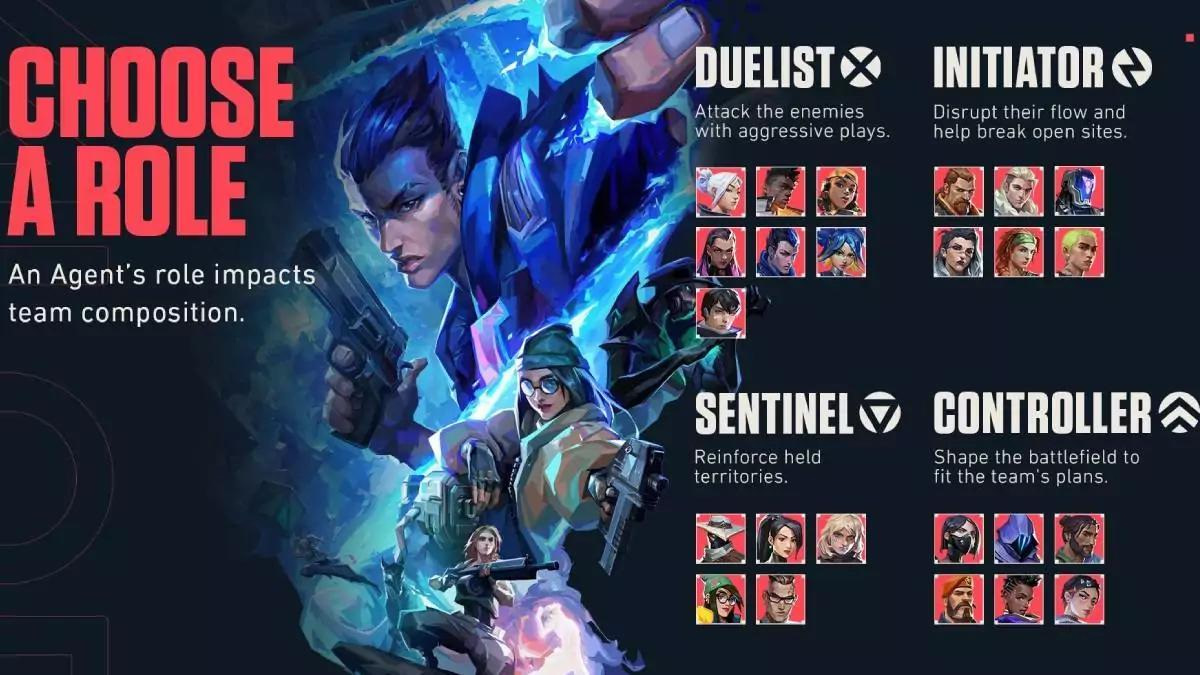
Here’s an overview of the different Agent roles, along with which agents belong to each type.
|
Role |
Primary Job |
Agents |
|
Duelist |
Entry fragging, getting kills, creating space |
Jett, Reyna, Phoenix, Raze, Neon, Yoru, Iso, Waylay |
|
Controller |
Blocking sightlines with smokes, area denial |
Brimstone, Omen, Viper, Astra, Harbor, Clove |
|
Initiator |
Gathering intel, flashing, crowd control abilities |
Sova, Breach, Skye, KAY/O, Fade, Gekko, Tejo |
|
Sentinel |
Holding sites, watching flanks, defensive lockdown |
Sage, Killjoy, Cypher, Chamber, Deadlock, Vyse, Veto |
Duelists
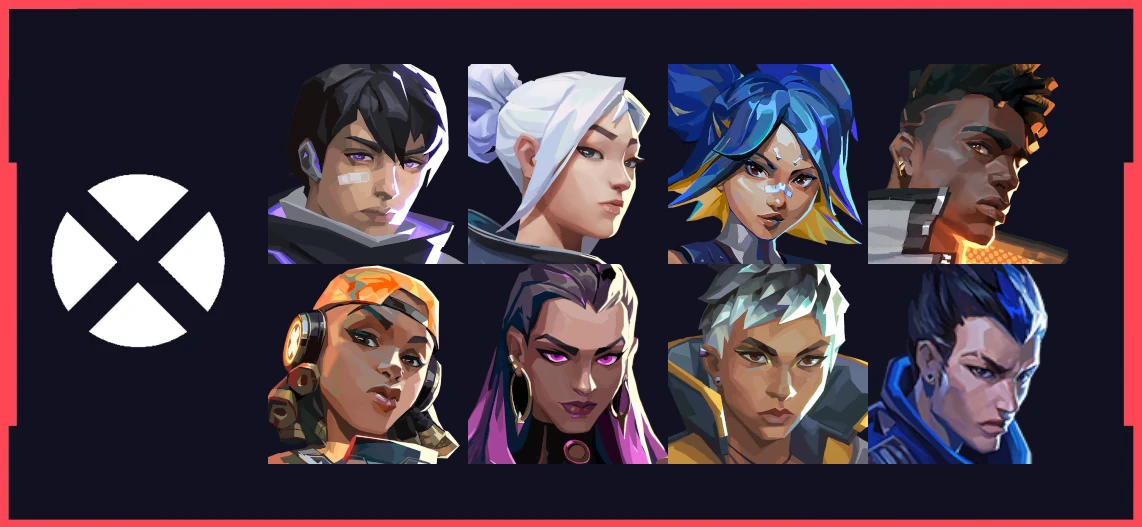
This role focuses on creating space and securing kills. Agents in this category are primarily equipped with various mobility-oriented abilities along with flashes and self-healing. As you can surmise from their kit, they’re also designed to be able to function independently, even if it’s just for a time.
Each Duelist has their own signature gameplay; Jett’s Tailwind and Updraft let her play from unique angles, Reyna builds momentum from kills through Dismiss and Devour. Raze can clear corners to peek safely, while Neon sprints and slides for a speedy entry. To put it simply, your role as a Duelist is to be the first to go in, and your kit is built to help you do just that.
Controllers

Controllers are adept at cutting off sightlines and denying space, and they accomplish this using smokes, allowing the team to enter bomb sites without getting picked off. This makes a Controller a necessity for every team.
There are six to choose from, and the most straightforward ones to use are Brimstone, who drops three smoke charges from a tactical map with accuracy, and Omen, who possesses a teleport along with a cooldown-based smoke instead of finite charges. Viper and Astra both offer unique methods for providing Controller coverage, but require more skill and knowledge to use effectively.
Harbor and Clove are generally safer picks compared to others, since Harbor has a utility wall for taking over sites, and Clove can utilize smokes even after dying.
Initiators

These agents enable Duelist entry by gathering key information and tracking enemy activity. Some also apply control effects to make it harder for defenders to hold their ground. There are a total of seven Initiators in the game.
Sova’s Recon Bolt is the gold standard for gathering information and tagging enemies for the whole team to see. Breach makes it easier to take sites with his ultimate, and Skye conveniently blends healing and tracking.
For more control, KAY/O can suppress Agent abilities. Fade is a chase-down specialist, and Gekko spawns creatures that apply control effects or even plant and defuse. Tejo is a relatively new agent who is best at isolating opponents to help secure kills.
Sentinels
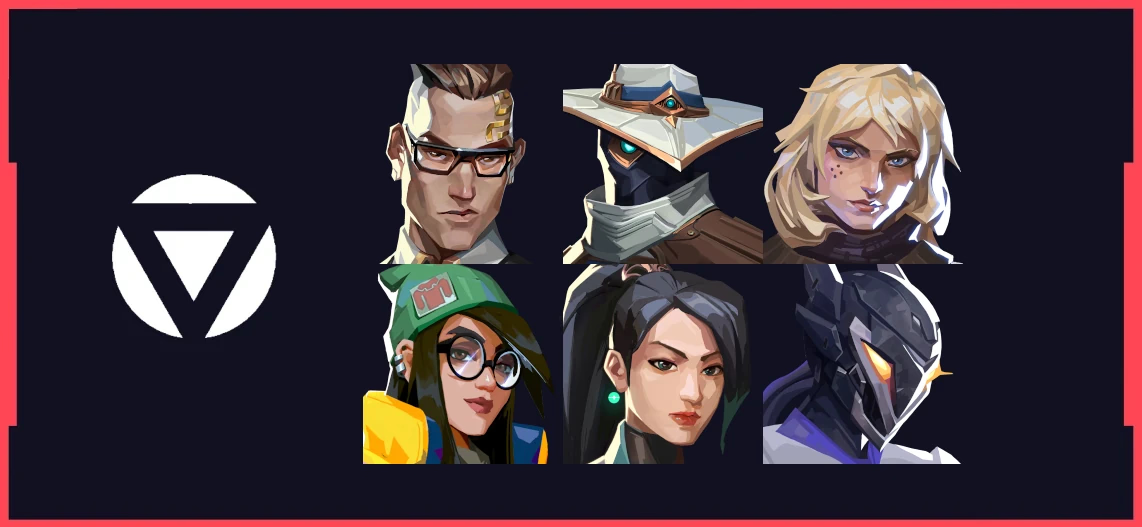
These are agents that help hold down control of an area and keep watch to prevent getting flanked on offense. Sage is a defender but also the closest to an actual healer in the game, complete with a Resurrection ability. In contrast, Killjoy is a lockdown specialist with a turret and Nanoswarm grenades, as well as her Lockdown ultimate.
Cypher is the best agent for information gathering, and Chamber is the best in this agent role for fragging. Due to their abilities, they excel at holding their own even when alone.
Team Roles in VALORANT
Beyond Agent classes, there are also player roles that dictate every player’s responsibilities in ranks and competitive play. Playing your role well is often the difference between high-level play and low-level play.
Entry Fragger
This is the player who enters a contested area first, and the important thing is to win the opening bout. It requires having good aim, as well as knowing common defense setups and how the game flows in detail. In such a role, a hesitant player is sure to lose.
Secondary Entry Fragger
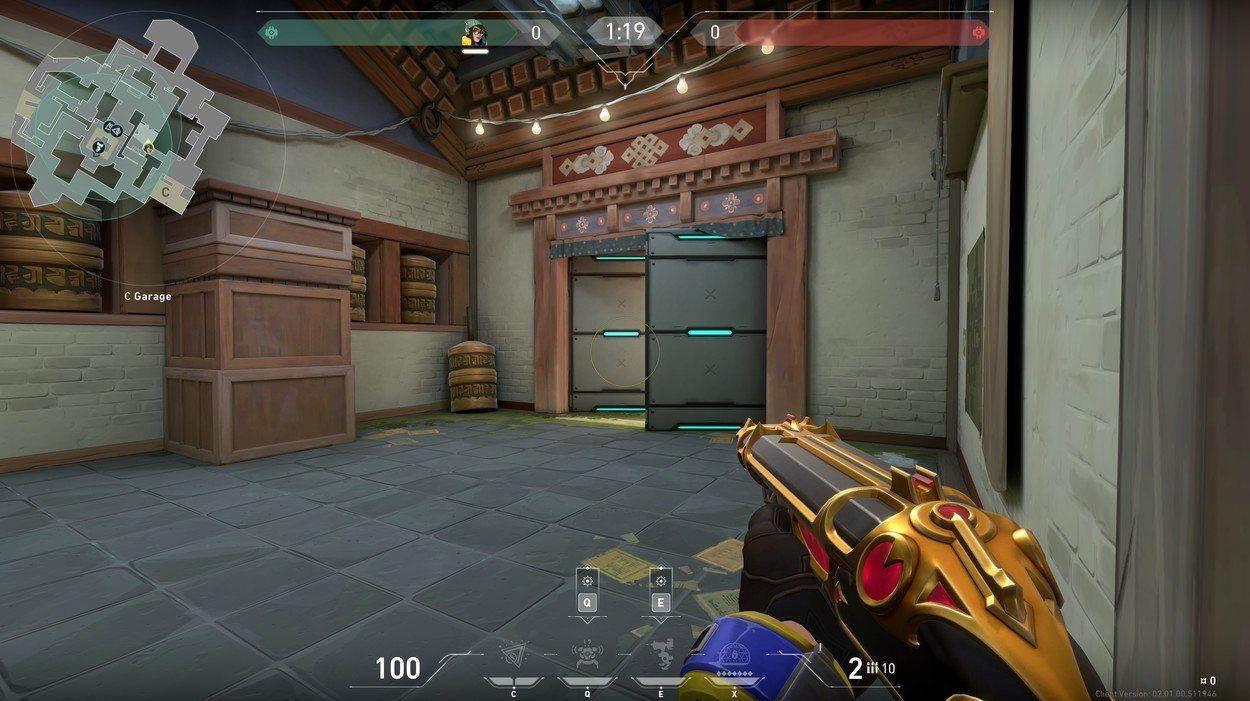
The second entry fragger provides support for the entry fragger, helping lockdown space or taking trade kills as quickly as possible. Controllers and Initiators often occupy this role well.
Lurker

These are independent Agents who act separately to help secure the match advantage by punishing defenders, although the role also demands a high degree of map knowledge and excellent communication skills. Omen and Cypher are some very popular choices.
But being a lurker isn’t always a good thing. If you fail to put enough pressure on your opponents to help your team, you risk being the useless idler who does not contribute to securing victory in the match.
In-Game Leader (IGL)
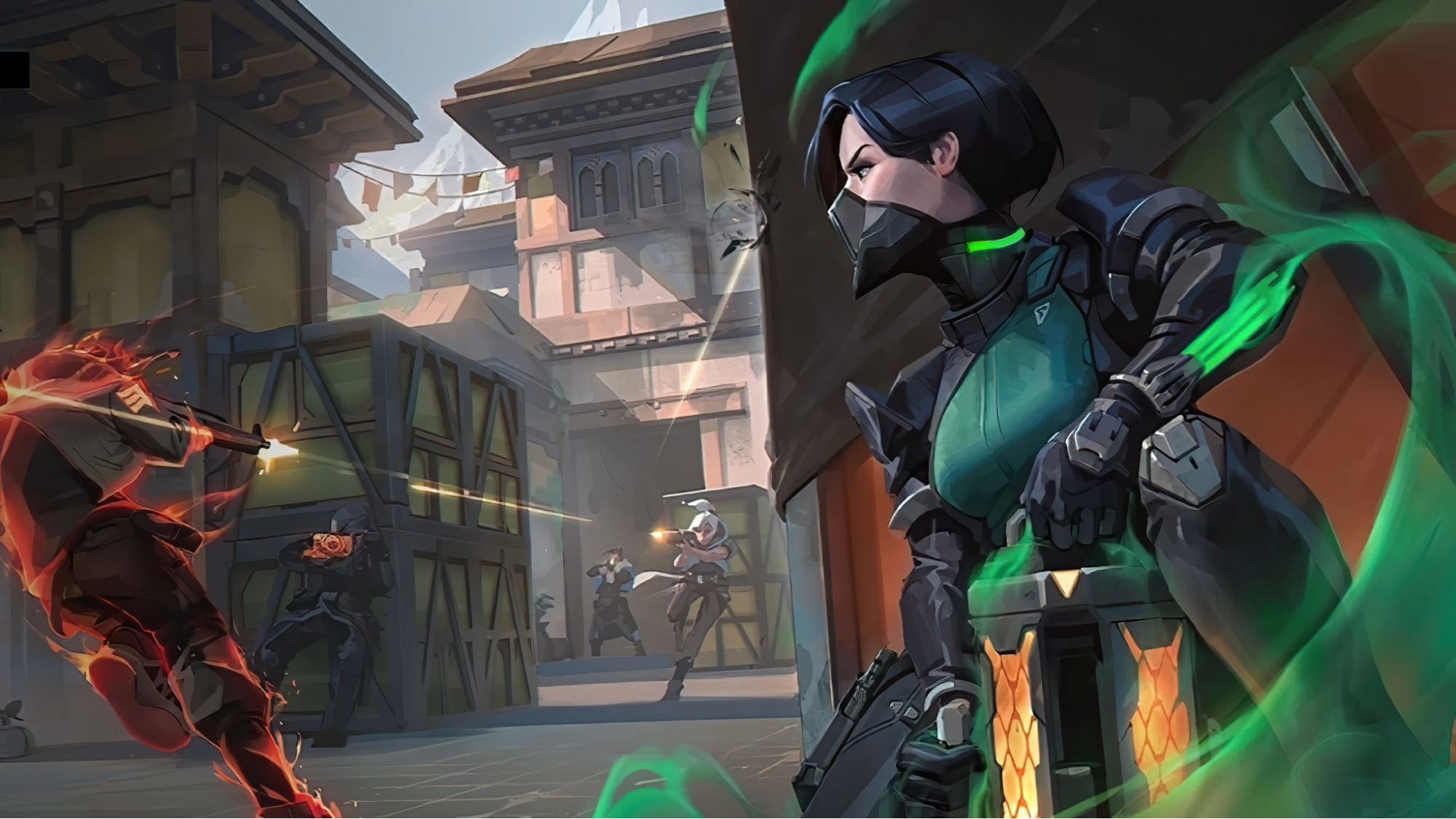
This is the field commander role. They dictate the team’s action in the match by reading the opposing team’s utility, checking their patterns, and coordinating execution. Any player can take on this role, but it’s often Sentinels and Controllers who do so, since it matches the high-observational style that comes with those Agent roles.
How to Pick the Right Role in VALORANT
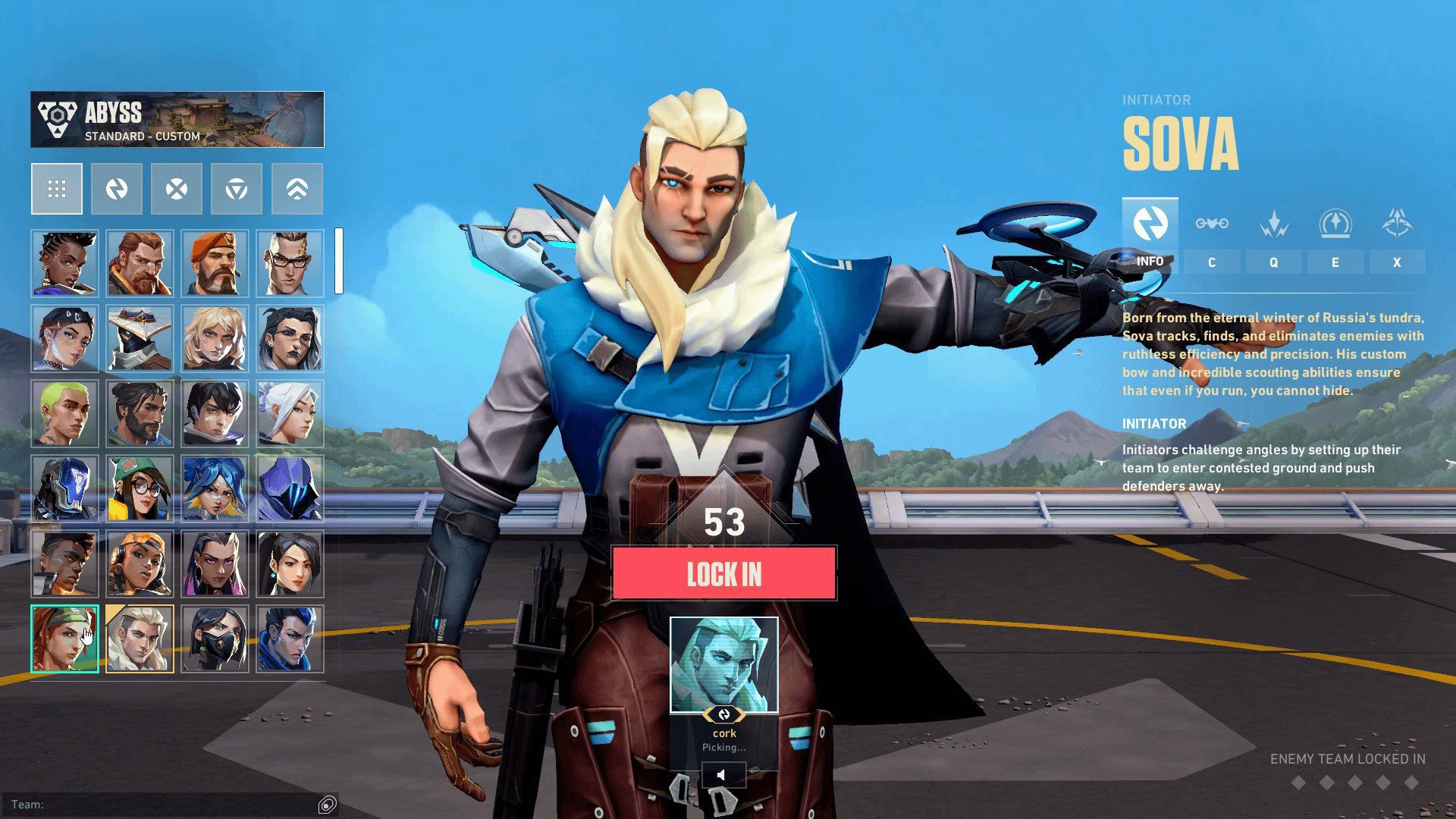
The best way to pick a role is to understand your natural way of play. If you’re someone who prefers to engage the enemy, never backing down from one-on-one duels, then the Duelist is for you. And if you prefer pacing the game and making tactical decisions, then a Sentinel or Controller role is the better fit. But you also don’t need to stick to one role, as it’s best to learn different ways to contribute.
If you still don’t know the game well and are figuring out how things work, Valorant coaching sessions can help. A coach can observe your gameplay and identify key areas for improvement, paving the way for faster progress.
Building a Team Comp That Actually Works
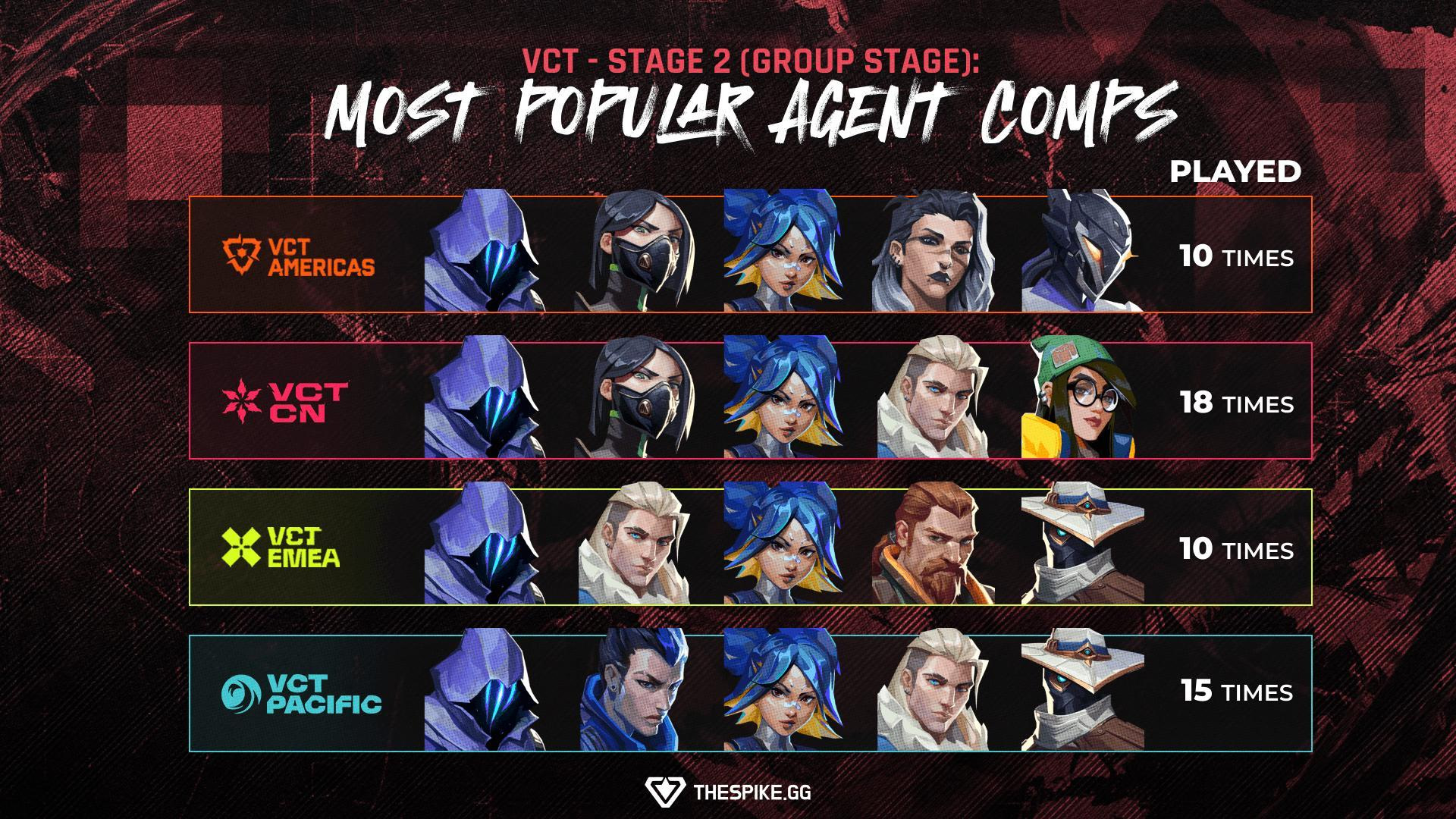
For a standard team comp, common setups are one Duelist and one Controller each, then one or two Initiators and one or two Sentinels. But comps are highly dependent on the maps being played and your playstyle. The rule of thumb is to cover every role.
One of the biggest mistakes you can make is to run redundant roles in a team. If other people are auto-locking agents, being the one to adjust can mean the difference between victory and defeat. It’s often the Controller or Sentinel that gets left out of the pick, so prepare for such situations if you’d rather improve your chances of winning.
And if you’d rather skip to a higher level of play where players understand the game enough to avoid common pitfalls, consider BoostRoyal’s Valorant boosting to get your account to the appropriate rank. Alternatively, you can also opt for a ranked-ready Valorant account to play at your desired level of play straight away.