
If you’re new to the game, or if you’ve just hit Level 20 and are set to compete, it’s beneficial to understand the game’s Competitive Match rules. Here, we’ll go over everything you need to know when it comes to Ranks, RR, MMR, and other relevant pieces of information.
What Is Valorant’s Competitive Mode?
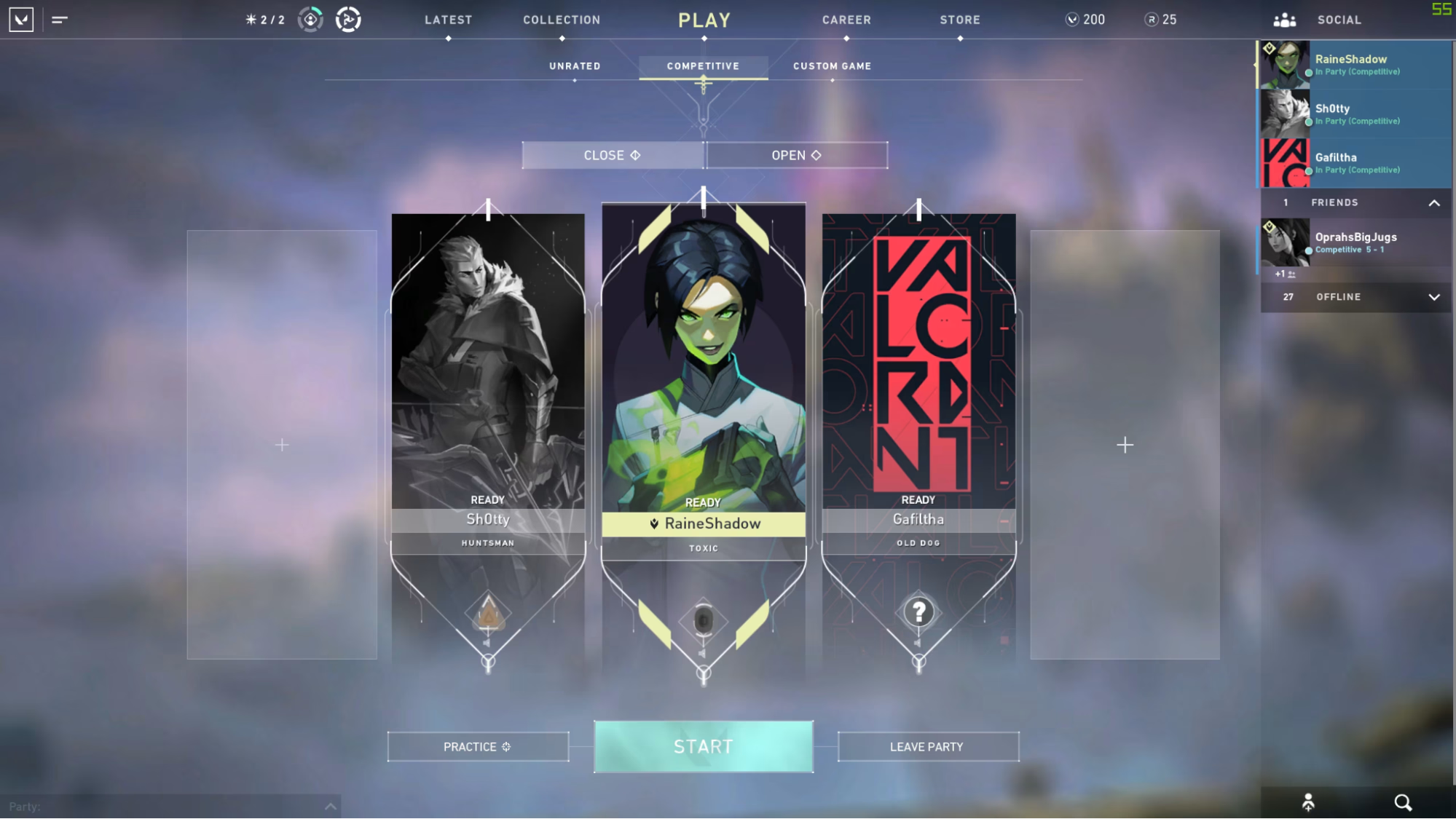
Competitive Mode involves matches that affect player ranks, but still use the same game rules and format. Each match earns or costs RR and affects your overall standing. Riot Games designed this mode to reward skill, but there’s a lot to unpack here.
Requirements to Play Competitive Mode
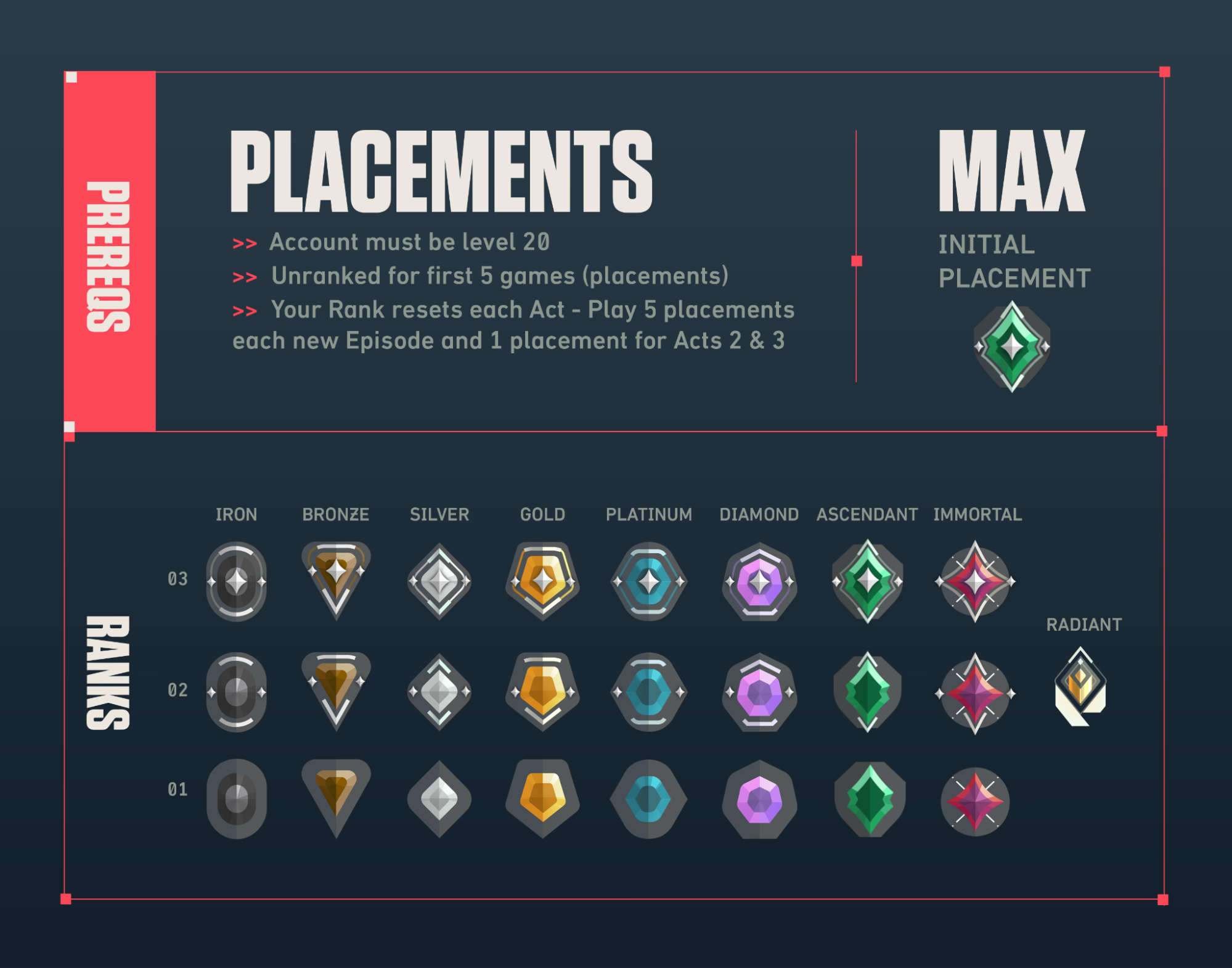
Participating in Valorant’s Competitive Mode requires you to reach Account Level 20. Before reaching this level, the game won’t allow for competitive queuing. This means you’ll need to participate in unrated matches until you level up enough.
If you’d rather play the games that matter right away, grab a ranked-ready Valorant account from BoostRoyal and skip the grind.
Every Rank Tier in Valorant’s Ranking System
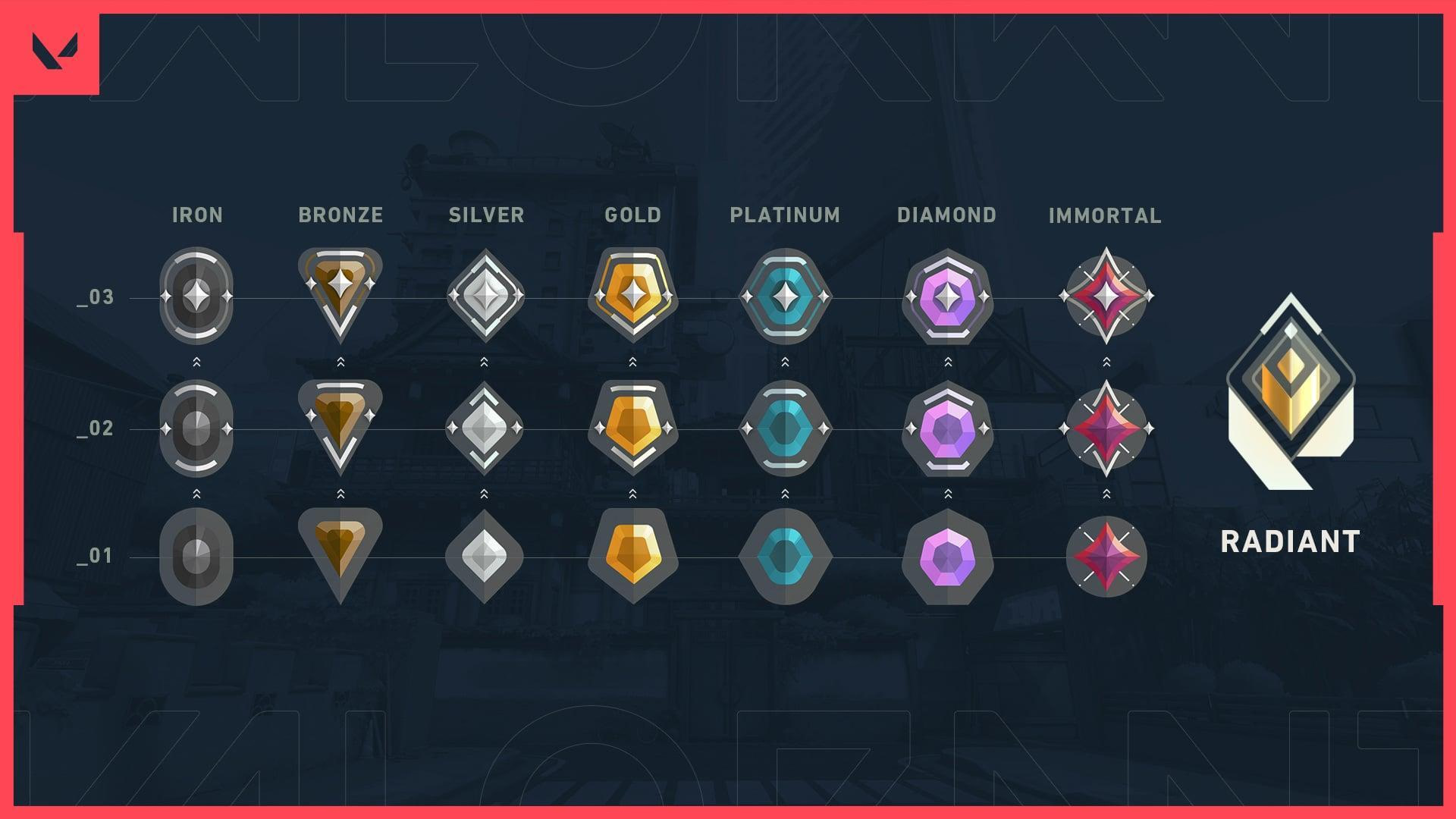
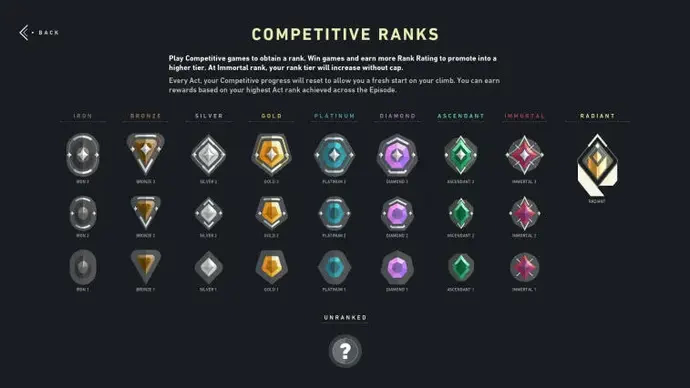
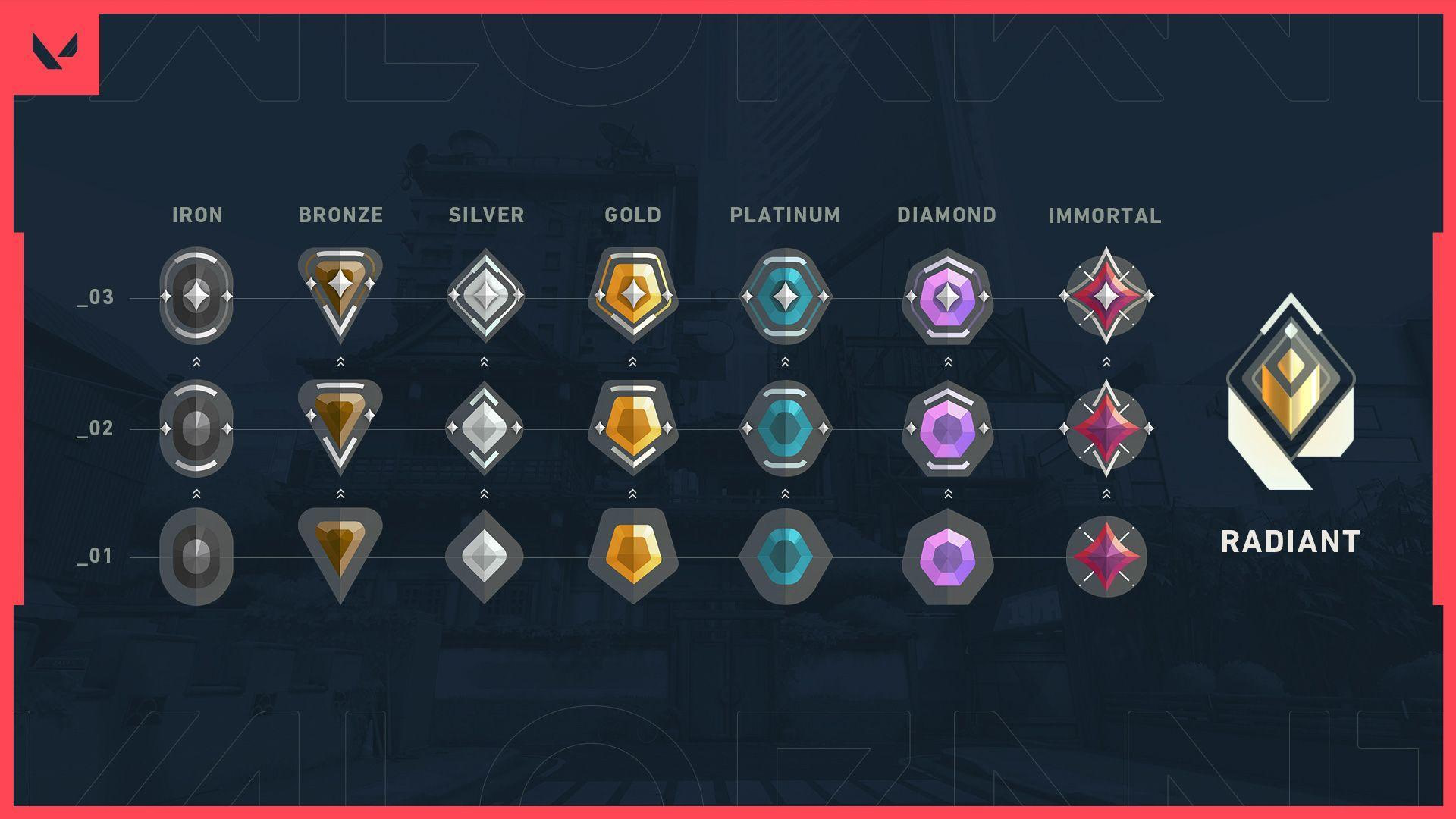
There are 9 competitive ranks and 25 tiers in total. Ranks from Iron to Immortal are split into sub-tiers 1 to 3, with 1 being the lowest. Radiant is the top rank with no subdivisions, reserved for the top 500 players in each region of the game.
Below is a complete breakdown for easier reference, including rank distribution data from V26 Act 1.
|
Rank |
Tiers |
Approximate Player % |
|
Iron |
1, 2, 3 |
~4.5% |
|
Bronze |
1, 2, 3 |
~18% |
|
Silver |
1, 2, 3 |
~22% |
|
Gold |
1, 2, 3 |
~17% |
|
Platinum |
1, 2, 3 |
~14% |
|
Diamond |
1, 2, 3 |
~11% |
|
Ascendant |
1, 2, 3 |
~7% |
|
Immortal |
1, 2, 3 |
~3% |
|
Radiant |
None (Top 500) |
~0.02% |
How Rank Rating (RR) Works
RR is the currency used to measure your competitive ranking. After every match, you gain or lose RR, and your visible rank changes based on the current balance.
RR Gains and Losses
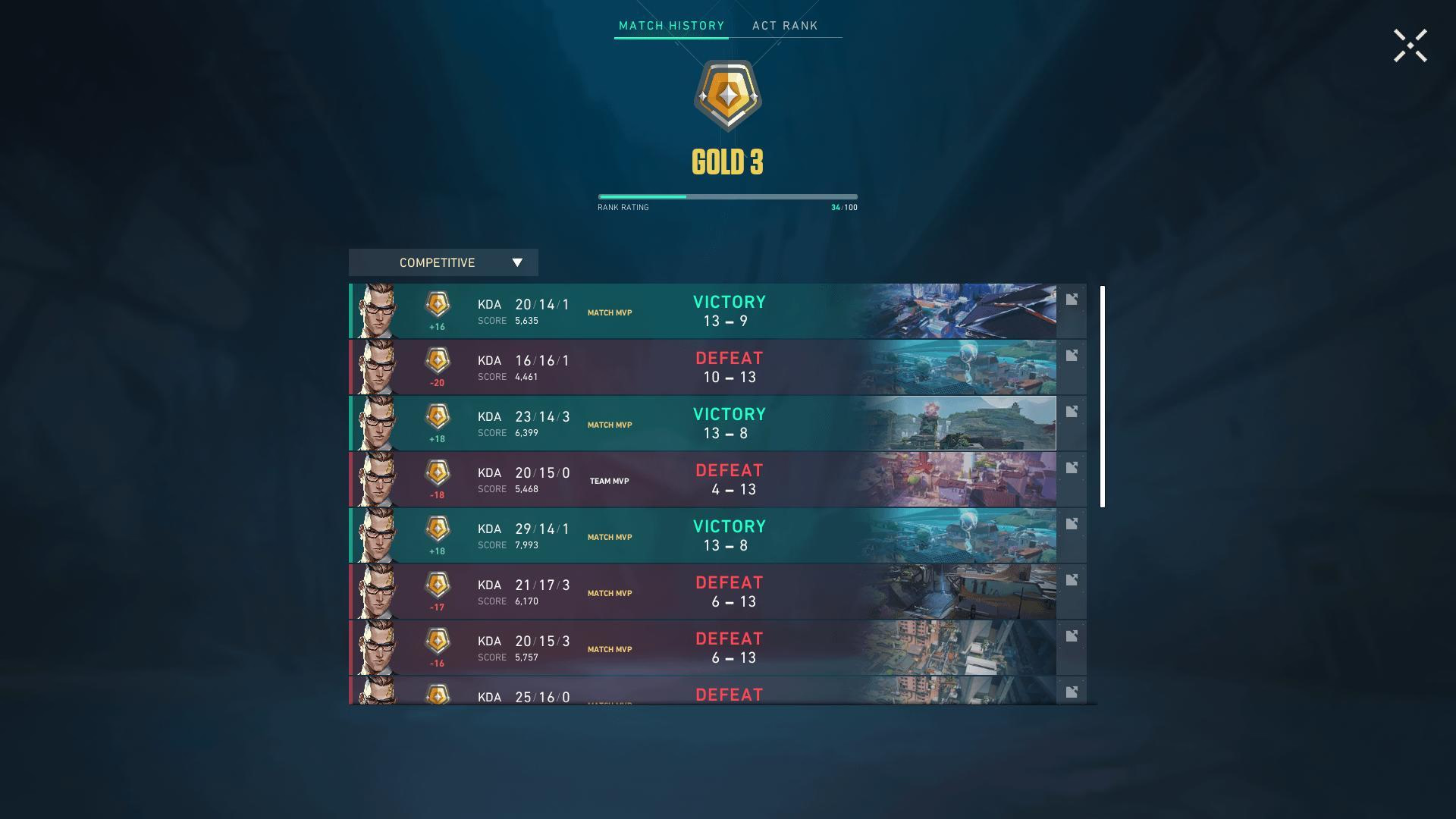
Winning competitive matches earns you 10 to 50 RR, while losing deducts 10 to 30 RR. The amount of RR gained or lost depends on four factors: win or lose, round differential, personal performance bonus, and convergence. Winning in dominant fashion nets more RR than a close match.
You need 100 RR to climb to the next sub-tier, while losing when at 0 RR means a demotion.
The Convergence Mechanic
The Convergence mechanic is the game’s hidden system that compares your hidden MMR (Matchmaking Ranking) to your visible rank. If your MMR is higher than your rank, the game will boost your RR gain and reduce penalties from losses. But if your MMR is lower than your rank, you get lower gains and heavier penalties instead.
When there are three or more tiers in difference between your MMR and rank, it’s when the heaviest penalties are applied, but there’s a bonus as well. This is something that newer accounts can take advantage of in the early days of competitive participation, as it boosts RR gains.
Personal Performance and Its Limits
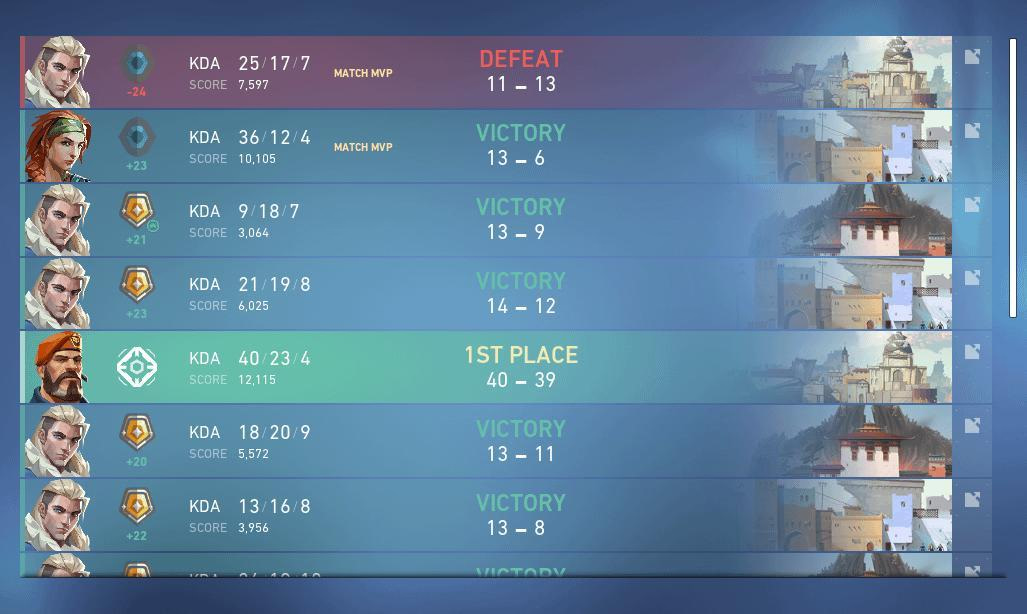
Personal performance affects your RR gain based on getting top-frag, a high Average Combat Score, and a good mechanical performance. This bonus is greater in the beginning, but decreases as you climb ranks. Upon reaching Immortal and Radiant, this performance bonus no longer applies.
The Rank Rating Shield
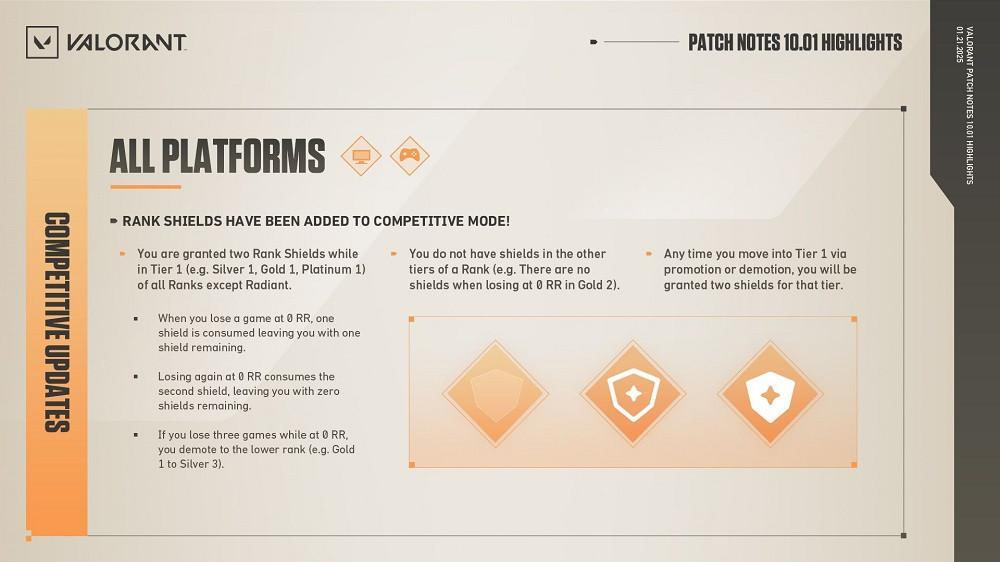
Upon promotion to a new rank, you receive a Rank Rating Shield that’s effective for two matches, meaning you won’t be demoted even if you lose your first match.
Placement Matches and How Seasonal Resets Work
Placement Matches are held every time a new Act starts. Your rank is hidden, and you’ll need to play 5 placement matches to determine your new rank. Your MMR from the previous Act will be considered along with your performance in the Placement Matches. During Mid-season, there’s also 1 Placement Match for recalibration.
If you perform well in Placement Matches, you can be placed up to two ranks higher than your previous one. But if you perform horribly, there’s the possibility of being downgraded two ranks. If you’d rather be certain of capitalizing on these Placement Matches, BoostRoyal’s Placement Match service can give you relief by taking care of those matches for you.
Competitive Matchmaking and Queue Restrictions
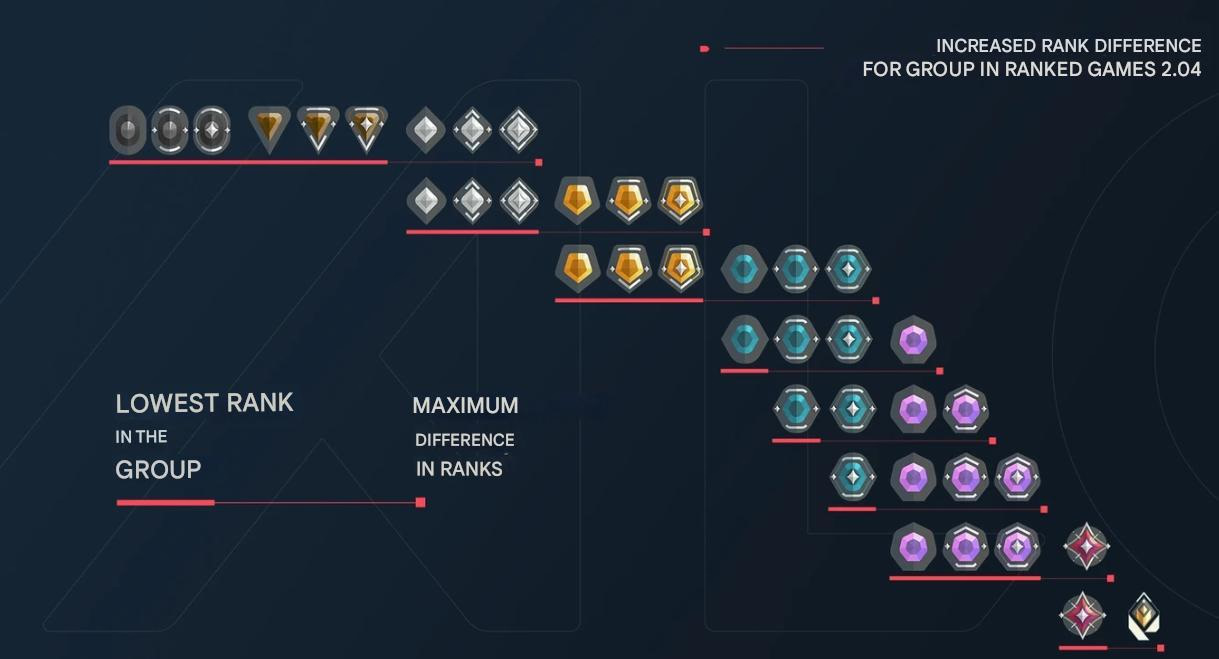
Valorant's competitive matchmaking rules are in place to ensure a level playing field. Players with similar MMR are often grouped together, and when queuing with friends, rank restrictions apply to prevent Duo boosting.
Party Size Rules
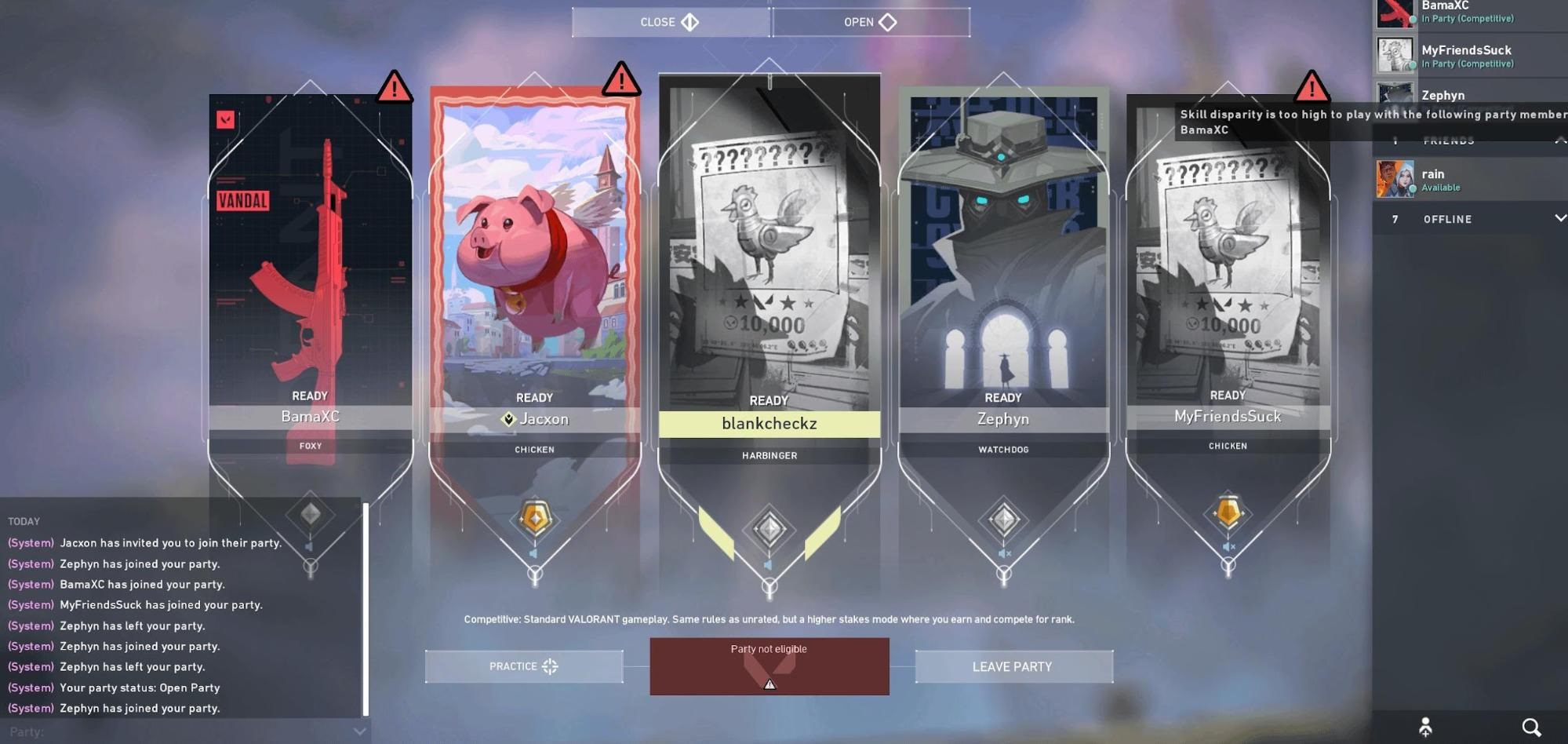
You can queue as a solo, a duo, a trio, or a full five-member team. Four-player parties were banned to prevent any player from having to endure being the odd man out.
Rank Range Restrictions for Duos and Trios

For queuing as 2 or 3 players, certain rules apply to become eligible for matches.
- Iron and Bronze can party up to Silver
- Silver can party up to Gold
- Gold can party up to Platinum
- Platinum, Diamond, and Ascendant can only play with those one tier up or down in rank
- Immortal and Radiant players cannot queue in a trio
Five-Stack Freedom (with a Catch)
Rank restrictions do not apply to full parties, but RR penalties still apply. As an example, if all players in a party are Ascendant 3 and below, and anyone in the party violates any of the other party rules, the entire team takes a 25% RR penalty. If any party member is at Radiant, the penalty climbs up to 75%.
These rules are put in place to discourage boosting practices.
Act Rank Badges
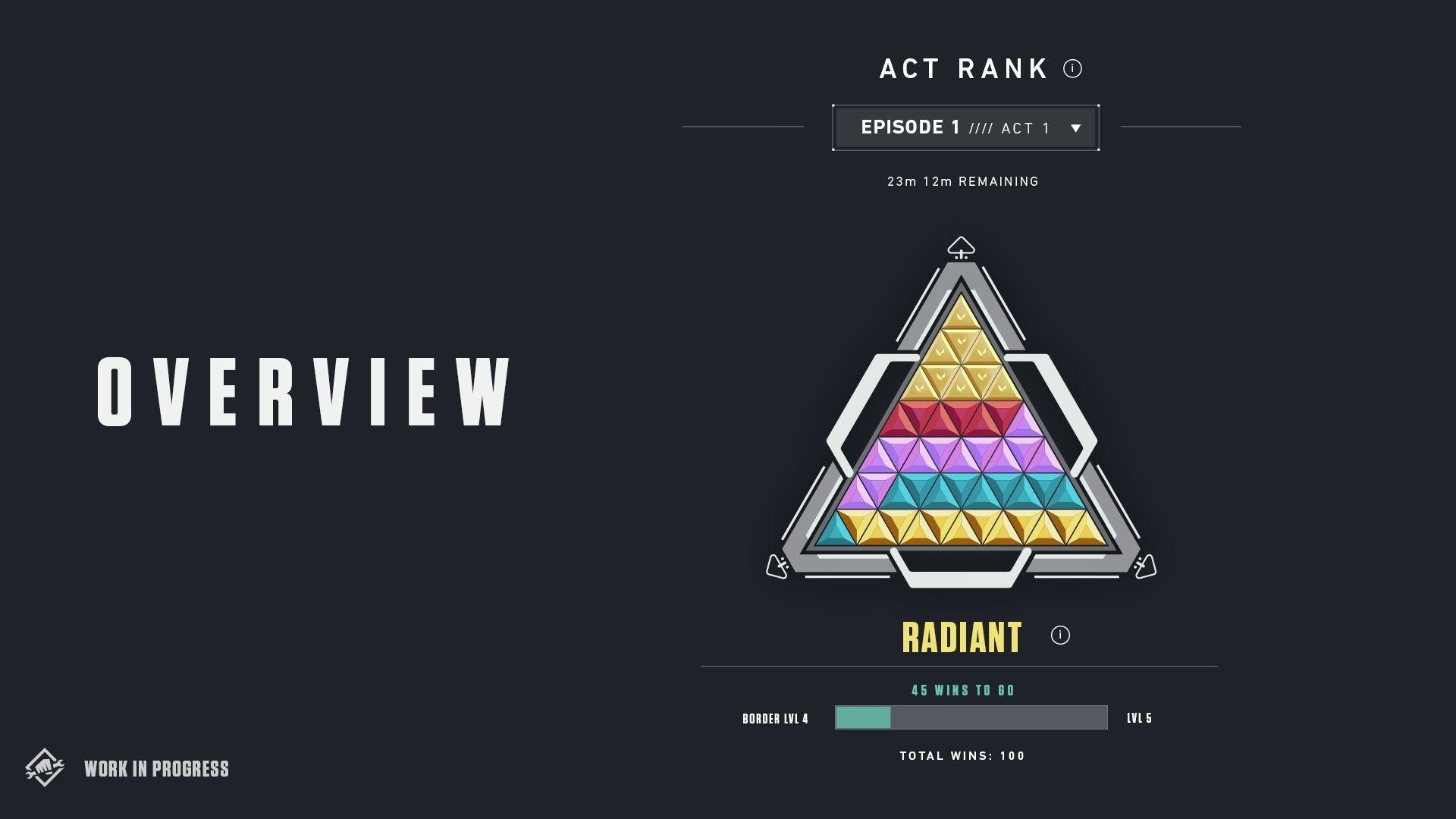
At the end of each Act, players are awarded an Act Rank Badge. This is displayed on your player card and career tab, showing your performance for the past season. The badge shows 50 of your best performances for the season.
A player’s 9th-best rank is considered their actual rank, so a lucky win doesn’t let you earn any distinction that is beyond your true skill level.
RR Penalties: Dodging, AFK, and Surrendering
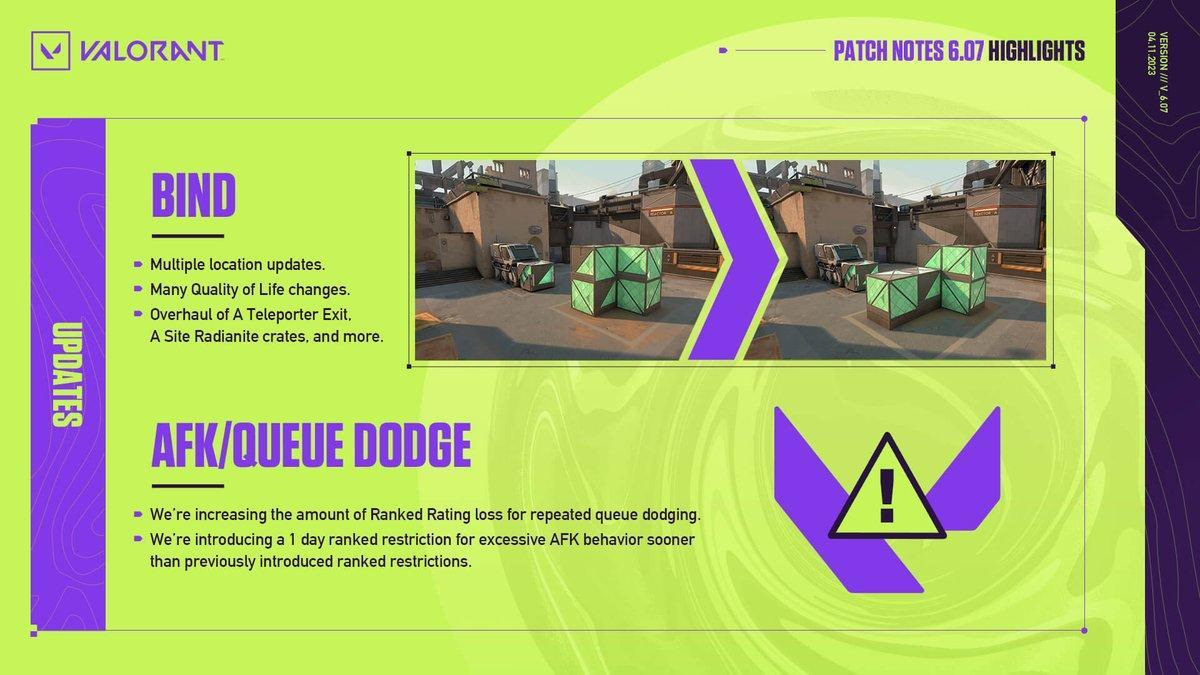
Riot implemented RR penalties for behavior unbecoming of a competitor. RR losses apply in addition to penalties.
- Queue dodging: 3 RR for first offense, 10 RR for 2nd
- 3+ Round AFK: 8 to 12 RR
- Team Surrender: No RR penalty
The Remake System

The Remake system exists to protect the rest of the team from any disconnections. Once a player disconnects and remains AFK for a full round, the team can type “/remake” before the buy phase of Round 2 ends. A passing vote will immediately end the game, resulting in severe penalties for the disconnected player, and protecting all others from any RR loss.
Immortal and Radiant: How the Top Ranks Work Differently
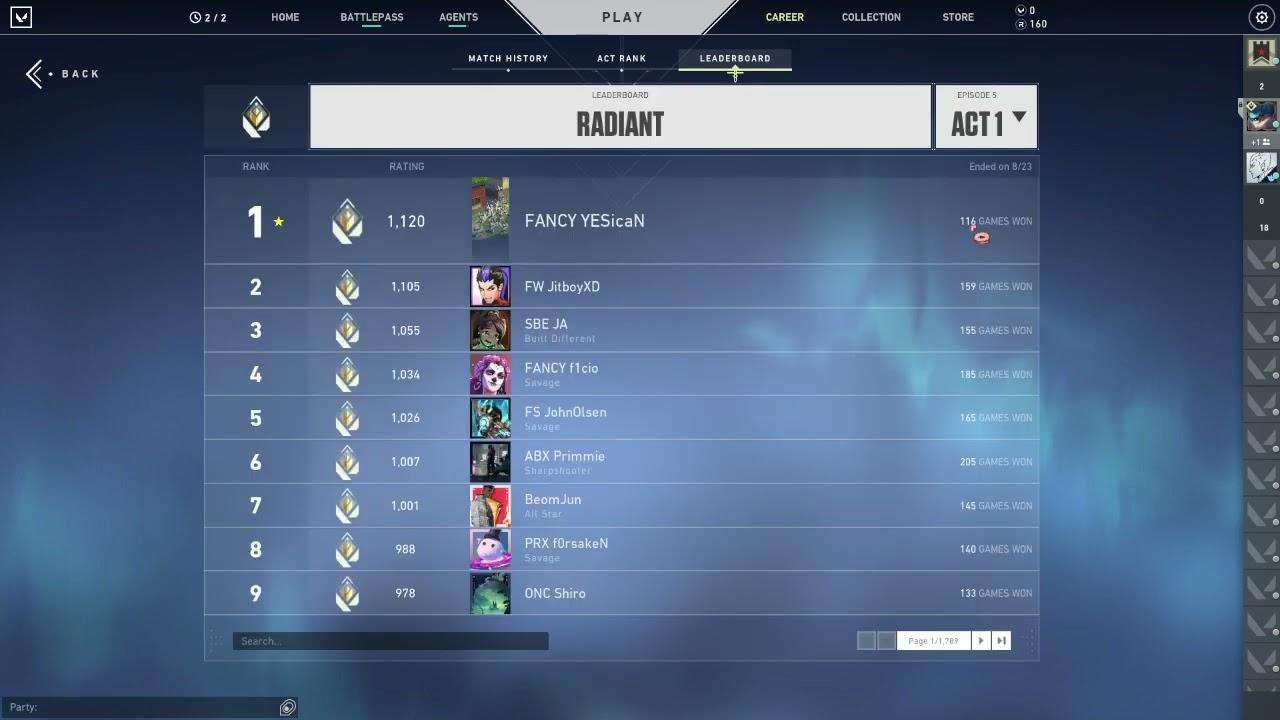
Aside from RR bonuses being disabled, the difference in Immortal and Radiant is how players are publicly visible on the regional leaderboards. There’s no rank penalty for being inactive, and it’s only your accumulated RR relative to other players that determines your placement.
Rank Distribution: Where Do Most Players Land?
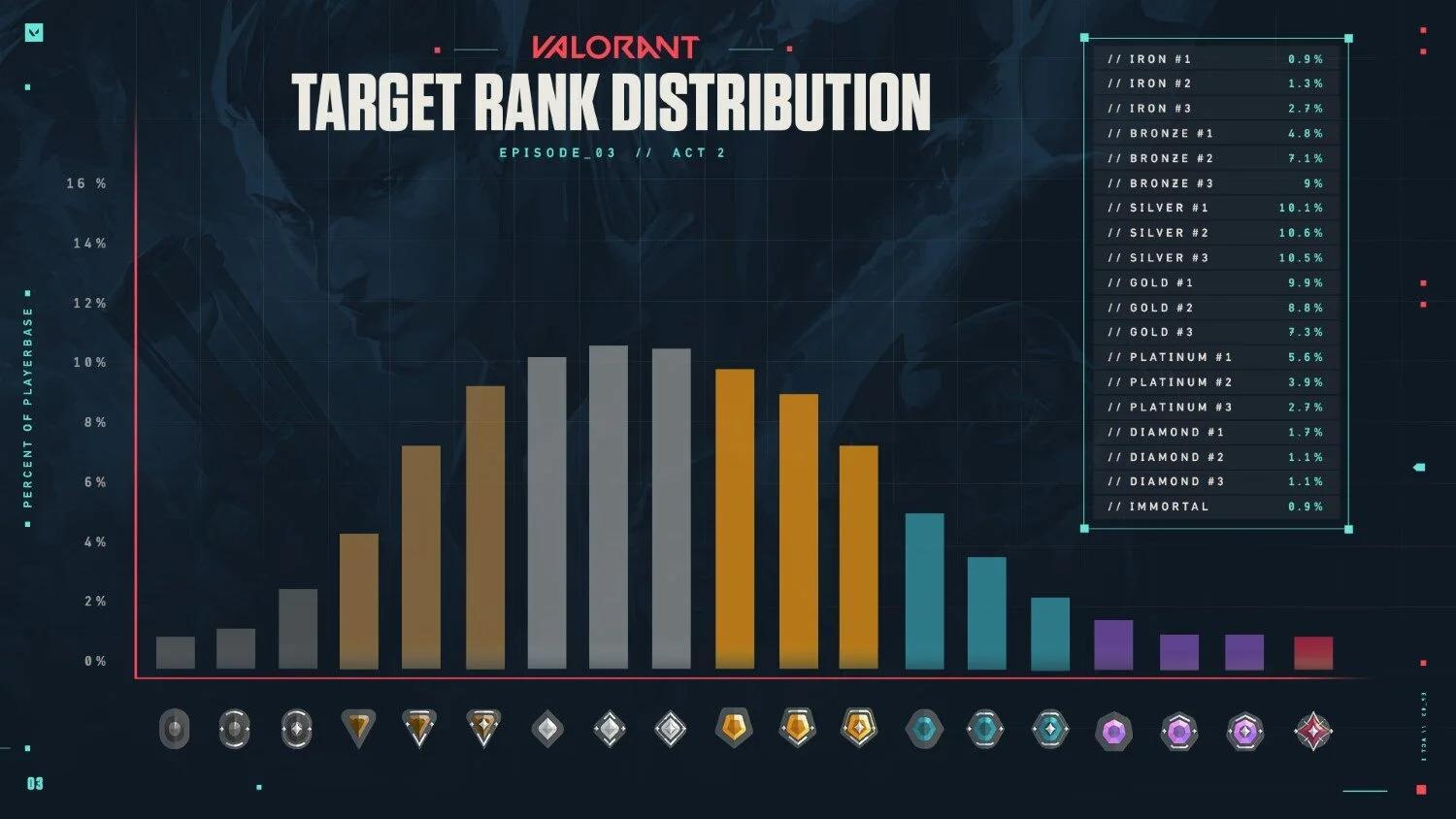
According to V26 Act 1 distribution data, the majority of Valorant players are at Bronze to Gold, at roughly 57% of players. For a clearer rank perspective, being in Silver 2 means being in the Top 65%, and being in Diamond 2 means being in the top 6.3%. Ascendant and above is the top 10%, while Radiant represents a slim 0.02% of all players.
Check out BoostRoyal’s rank distribution guide to track the latest numbers.
Tips to Climb the Ranked Ladder
Focus on Consistency Over Highlights
Winning consistently is rewarded over having a spotty performance with a few 30-kill carries. Both MMR and Convergence respond better to trends.
Learn Two or Three Agents Well
Ensure that you have one or two backups to your main to remain competitive even when your Agent is instalocked. It’s also better to have flexibility, so have one backup be of a different Agent role.
Play During Off-Peak Hours Carefully
Off-peak playing times can lead to unbalanced matches due to the wider skill range of players available then. Play at peak hours for better matchmaking quality.
Track Your RR Changes
If your RR gain is higher than your losses, that means your MMR is higher than your rank, but if it’s the opposite, then the system thinks you should be ranked lower. Sites like Tracker.gg let you monitor your RR changes and trends.
Don’t Underestimate Warm-ups
Play a few rounds of unrated matches before jumping into competitive. This ensures you’re primed to compete and helps you avoid squandering your RR. But if the rank climb is too much, our Valorant boosting services can help get you where you need to be.


